
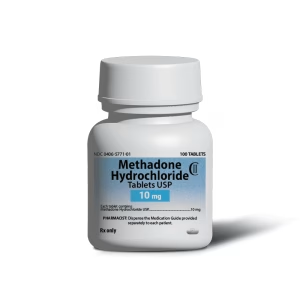
Buy Methadone Online
Showing all 2 results
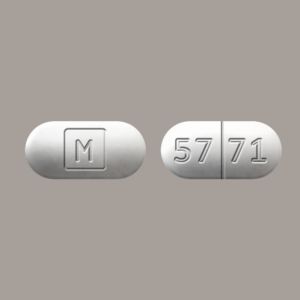
Methadone 10mg
$311.00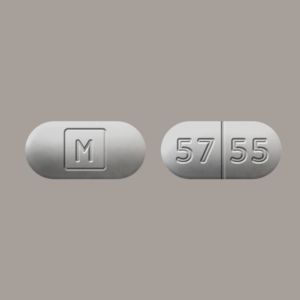
Methadone 5mg
$312.00What Is Methadone?
Methadone is a long-acting prescription opioid medication used in carefully supervised medical treatment. Depending on the clinical situation and formulation, healthcare professionals may use methadone for certain types of severe pain or as part of treatment for opioid use disorder.
Because methadone remains in the body for a relatively long time, its effects can accumulate when doses are increased too quickly or taken more frequently than prescribed. This makes individualized dosing and ongoing medical supervision especially important.
Methadone should only be used by the person for whom it was prescribed and exactly according to the instructions provided by a qualified healthcare professional.
What Is Methadone Used For?
Methadone has two major medical applications:
- Treatment of Opioid Use DisorderMethadone can be used as part of medication treatment for opioid use disorder. Under appropriate supervision, it can reduce opioid withdrawal symptoms and cravings and help patients maintain a more stable treatment routine.Treatment plans vary from person to person and may include counseling, behavioral support, monitoring, and other healthcare services.
- Pain ManagementMethadone may also be prescribed for certain patients experiencing severe pain when a healthcare professional determines that its benefits outweigh its risks.It is not an appropriate choice for every type of pain. Because methadone has complex pharmacological properties and a long duration in the body, clinicians generally determine the dose carefully based on the patient’s circumstances.
How Does Methadone Work?
Methadone primarily acts on opioid receptors in the central nervous system. Its pharmacological effects can reduce pain and, in opioid use disorder treatment, help control withdrawal symptoms and cravings.
Methadone has a long and variable elimination half-life. Importantly, the duration of its presence in the body does not necessarily correspond directly to the duration of pain relief. This difference is one reason why taking additional doses without medical direction can be dangerous.
Never increase, decrease, or repeat a methadone dose on your own.
Methadone Dosage
There is no single methadone dose that is appropriate for everyone.
The appropriate regimen depends on factors such as:
- The reason methadone is being prescribed
- Previous opioid exposure
- Age and overall health
- Other medications being taken
- Liver and kidney function
- Response to treatment
- Individual risk factors for respiratory depression
A healthcare professional should determine the starting dose and any subsequent adjustments.
Do not use another person’s methadone and do not change your prescribed dose without medical advice.
Methadone Side Effects
Methadone can cause side effects, particularly when treatment begins or when the dose changes.
Common side effects may include:
- Constipation
- Nausea
- Vomiting
- Sweating
- Dizziness
- Drowsiness
- Dry mouth
- Weakness
Some side effects may improve as the body adjusts to treatment. Persistent or troublesome symptoms should be discussed with the prescribing healthcare professional.
Serious Methadone Risks
Methadone can cause life-threatening respiratory depression, particularly when taken incorrectly or combined with other substances that slow the central nervous system.
Seek emergency medical assistance if someone taking methadone develops:
- Extremely slow or difficult breathing
- Severe or unusual sleepiness
- Inability to wake up
- Blue or gray lips or fingertips
- Loss of consciousness
- Severe dizziness or collapse
If an opioid overdose is suspected, emergency services should be contacted immediately. Naloxone may be used to reverse an opioid overdose when available, but emergency medical care is still necessary.
Methadone and Drug Interactions
Combining methadone with other medicines or substances can increase the risk of dangerous sedation, respiratory depression, or other complications.
Particular caution is needed with:
- Alcohol
- Benzodiazepines
- Other opioids
- Certain sleep medications
- Other central nervous system depressants
- Some medicines that affect heart rhythm
- Certain medications that change methadone metabolism
Tell your healthcare professional about all prescription medicines, over-the-counter products, and supplements you use before starting methadone.
Methadone and Alcohol
Alcohol can increase the sedative and respiratory-depressant effects of methadone. Combining the two can potentially result in severe breathing problems, unconsciousness, or death.
Avoid alcohol while taking methadone unless your healthcare professional specifically advises otherwise.
Can Methadone Cause Dependence?
Yes. Methadone is an opioid and can lead to physical dependence when used regularly.
Physical dependence is different from opioid use disorder, but abruptly stopping methadone after regular use can result in withdrawal symptoms.
Patients who want to discontinue treatment should speak with their healthcare professional about an appropriate plan rather than stopping suddenly.
Methadone Withdrawal
Stopping methadone abruptly after ongoing treatment can cause withdrawal symptoms such as:
- Restlessness
- Anxiety
- Sweating
- Muscle aches
- Runny nose
- Insomnia
- Abdominal discomfort
- Nausea
- Diarrhea
The appropriate approach to discontinuation depends on the individual’s treatment history and medical circumstances.
Methadone Storage and Handling
Keep methadone securely stored according to the product’s labeling and your pharmacist’s instructions.
Important precautions include:
- Keep it away from children and pets.
- Do not share methadone with another person.
- Keep medication in its original packaging when appropriate.
- Dispose of unused medication according to local medication-disposal guidance.
- Never take medication that has not been prescribed for you.
Accidental ingestion by children can result in a fatal opioid overdose.
Methadone Treatment Requires Medical Supervision
Methadone is a medication that requires careful consideration of benefits, risks, dosage, interactions, and individual medical history.
For opioid use disorder, treatment may involve structured programs and regular clinical monitoring. For pain management, clinicians may periodically reassess whether continued treatment remains appropriate.
Regular communication with a healthcare professional can help identify side effects, interactions, changes in treatment needs, and other safety concerns.
Frequently Asked Questions About Methadone
What is methadone used for?
Methadone is a prescription opioid used in certain circumstances for severe pain and as a medication treatment for opioid use disorder.
Is methadone an opioid?
Yes. Methadone is a synthetic opioid that acts on opioid receptors in the body and brain.
How long does methadone stay in the body?
Methadone has a relatively long and variable half-life. The amount of time it remains detectable or pharmacologically active can differ substantially between individuals.
Can methadone be taken with alcohol?
Combining methadone and alcohol can increase sedation and respiratory-depression risks. Patients should follow their healthcare professional’s advice and generally avoid alcohol while taking methadone.
Can I change my methadone dose myself?
No. Methadone dosing should be determined and adjusted by a qualified healthcare professional because accumulation and delayed respiratory depression can occur.
Can methadone be stopped suddenly?
Stopping methadone abruptly after regular use can cause withdrawal. Discuss discontinuation with a healthcare professional so that an appropriate treatment plan can be considered.
Is methadone safe?
Methadone can be an effective medication when appropriately prescribed and monitored, but it also carries significant risks. Safe use requires following the prescribed regimen and avoiding potentially dangerous drug combinations.
What should I do if someone may have overdosed on methadone?
Treat a suspected opioid overdose as an emergency. Contact emergency medical services immediately and administer naloxone if it is available and appropriate. Do not leave the person alone.
Product Categories
-
 Buy Adipex Online
 -
 Buy Adderall Online
 -
 Buy Alprazolam Online
 -
 Buy Ambien Online
 -
 Buy Ativan Online
 -
 Buy Belbien Online
 -
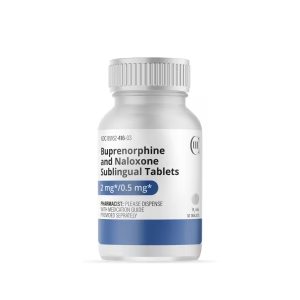 Buy Buprenorphine Online
 -
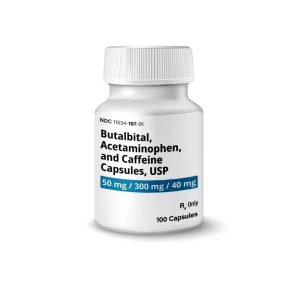 Buy Butalbital Online
 -
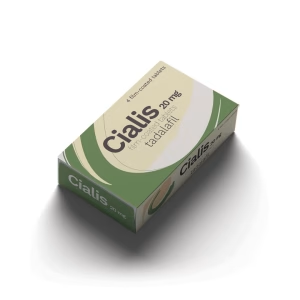 Buy Cialis Online
 -
 Buy Claritin Online
 -
 Buy Clonazepam Online
 -
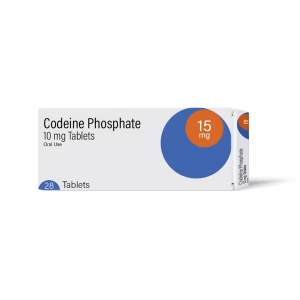 Buy Codeine Online
 -
 Buy Concerta Online
 -
 Buy Diazepam Online
 -
 Buy Dilaudid Online
 -
 Buy Farmapram Online
 -
 Buy Fioricet Online
 -
 Buy Gabapentin Online
 -
 Buy Hydrocodone Online
 -
 Buy Hydromorphone Online
 -
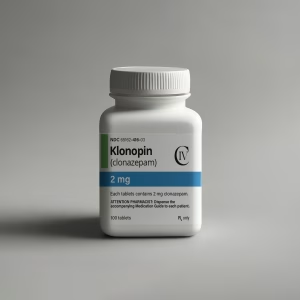 Buy Klonopin Online
 -
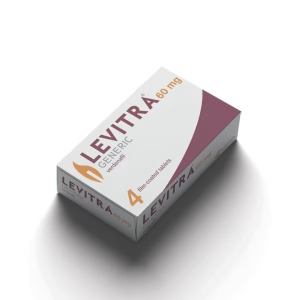 Buy Levitra Online
 -
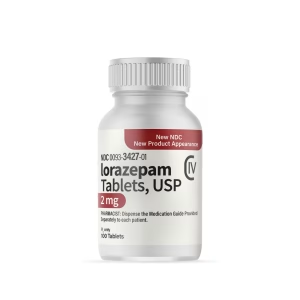 Buy Lorazepam Online
 -
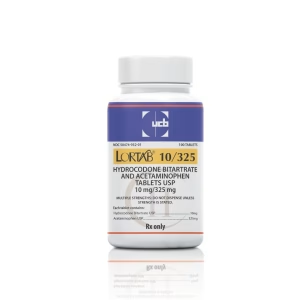 Buy Lortab Online
 -
 Buy Lunesta Online
 -
 Buy Methadone Online
 -
 Buy Methylphenidate Online
 -
 Buy Norco Online
 -
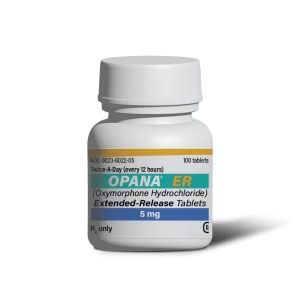 Buy Opana ER Online
 -
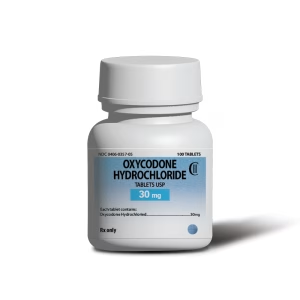 Buy Oxycodone Online
 -
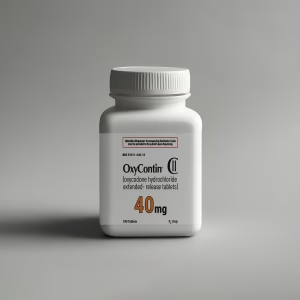 Buy Oxycontin Online
 -
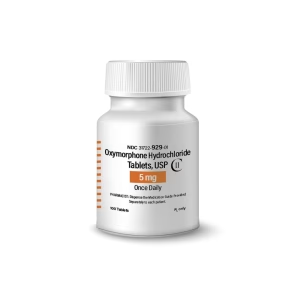 Buy Oxymorphone Online
 -
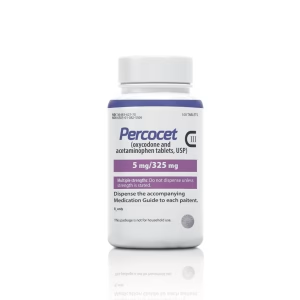 Buy Percocet Online
 -
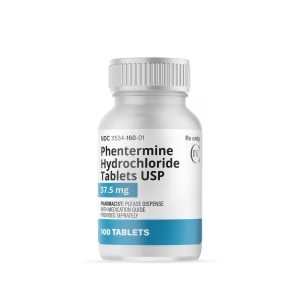 Buy Phentermine Online
 -
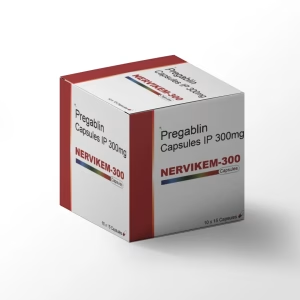 Buy Pregabalin Online
 -
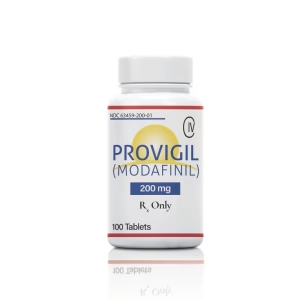 Buy Provigil Online
 -
 Buy Restoril Online
 -
 Buy Ritalin Online
 -
 Buy Soma Online
 -
 Buy Suboxone Online
 -
 Buy Tapentadol Online
 -
 Buy Tramadol Online
 -
 Buy Valium Online
 -
 Buy Viagra Online
 -
 Buy Vicodin Online
 -
 Buy Xanax Online
 -
 Buy Zolpidem Online